
AMC White Mountain Overview
Discover AMC White Mountain’s rugged allure, from granite spires to alpine meadows. This guide offers essential insights on terrain, climate, and cultural heritage, empowering hikers to navigate trails safely while honoring the park’s natural legacy.
Explore ecosystems and trails, leaving only wild footprints.

Planning Your Visit
Plan your trip by checking seasonal access, weather patterns, and trail conditions. Book permits early, pack layered gear, and bring a detailed map. Allocate time for acclimatization, and review park advisories to ensure a safe, enjoyable adventure. Remember to carry a first aid kit.

Permits and Fees
Before you set out on your AMC White Mountain adventure, understand the permitting framework and fees that regulate access to this pristine wilderness. The park uses a quota‑based system to balance visitor enjoyment with ecological stewardship. Two main permit types exist: day‑use permits and backcountry permits. Day‑use permits are mandatory for all visitors entering main trailheads during peak seasons. They can be purchased online or at the visitor center on arrival, subject to availability. The standard day‑use fee is $15 per person, with reduced rates of $10 for seniors, children under 12, and active military personnel. Backcountry permits are required for overnight stays beyond designated campgrounds. These permits are issued on a first‑come, first‑served basis and capped at 200 per day to limit human impact. The fee structure is $35 for a single‑day permit and $70 for a multi‑day permit covering up to five nights, plus an additional $5 fee for each extra person beyond the first two. All permits must be secured before the day of travel; failure to do so may result in a $100 fine or denial of entry. The park’s official website provides a real‑time permit availability checker, and email alerts can notify you of any openings. Always keep a copy of your permit in both digital and paper form, as electronic devices may fail in remote areas. By respecting the permitting system and paying the appropriate fees, you help preserve AMC White Mountain for future generations. Visitors should review conditions and weather forecasts to ensure experience. Respecting Leave No Trace principles helps maintain the park’s beauty for hikers. Thanks!!!
The park’s permit system ensures sustainable use while protecting fragile ecosystems.The park’s permit system ensures sustainable use while protecting fragile ecosystems.The park’s permit system ensures sustainable use while protecting fragile ecosystems.The park’s permit system ensures sustainable use while protecting fragile ecosystems.The park’s permit system ensures sustainable use while protecting fragile ecosystems.The park’s permit system ensures sustainable use while protecting fragile ecosystems.The park’s permit system ensures sustainable use while protecting fragile ecosystems.The park’s permit system ensures sustainable use while protecting fragile ecosystems.The park’s permit system ensures sustainable use while protecting fragile ecosystems.The park’s permit system ensures sustainable use while protecting fragile ecosystems.The park’s permit system ensures sustainable use while protecting fragile ecosystems.The park’s permit system ensures sustainable use while protecting fragile ecosystems.The park’s permit system ensures sustainable use while protecting fragile ecosystems.The park’s permit system ensures sustainable use while protecting fragile ecosystems.The park’s permit system ensures sustainable use while protecting fragile ecosystems.The park’s permit system ensures sustainable use while protecting fragile ecosystems.The park’s permit system ensures sustainable use while protecting fragile ecosystems.The park’s permit system ensures sustainable use while protecting fragile ecosystems.All visitors must follow rules to protect the environment.?

Trail Highlights
Explore AMC White Mountain’s most iconic routes, from the rugged North Face Trail to the serene South Ridge Trail; Each path offers distinct vistas, geological wonders, and varying difficulty levels, ensuring a memorable adventure for hikers of all experience. and lasting memories!!!!!
North Face Trail
The North Face Trail showcases AMC White Mountain’s rugged geology and ecosystems. Starting at the trailhead, hikers climb through spruce‑fir forest, where crisp air and filtered sunlight set a calm tone. As the ascent continues, vegetation shifts to alpine tundra, revealing hardy lichens, cushion plants, and late‑summer wildflowers. The trail’s gradient rises, offering panoramic views of surrounding peaks and distant valleys. At the 3‑mile mark, a rocky ledge provides a dramatic overlook of the valley, ideal for a brief pause and photo. Continuing onward, the trail traverses granite outcrops with rock formations and slope variations. The final ascent leads to a summit plateau where wind is strong and the horizon stretches wide, showcasing the region’s ecosystems. Rated moderate, the trail covers about 8.4 miles round‑trip with an elevation gain of roughly 2,200 feet. Hikers should bring sturdy footwear, layered clothing, and water, as weather can change rapidly at high altitude. The best time to explore is late spring to early fall, before peak summer heat. Wildlife sightings, such as marmots and golden eagles, are common along the route, adding to the trail’s allure. The North Face Trail offers a blend of physical challenge, scenic beauty, and ecological insight, making it a must‑visit for those seeking an authentic AMC White Mountain experience today.
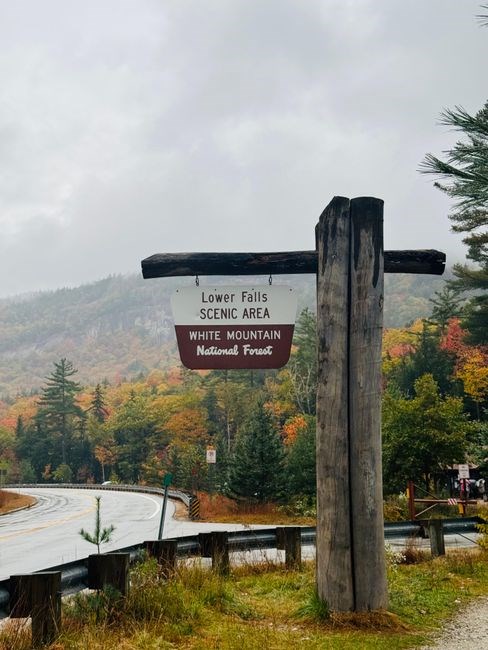
South Ridge Trail
The South Ridge Trail offers a dynamic ascent that highlights AMC White Mountain’s geological features and alpine ecosystems. Beginning at the designated trailhead, hikers encounter a dense coniferous stand of lodgepole pine and spruce, where the forest floor is carpeted with moss and fallen needles. The trail gradually opens into a rocky scree field, providing a dramatic transition from forest to exposed granite. As the ridge line rises, panoramic vistas unfold, revealing the jagged silhouettes of neighboring peaks and the expansive valley below. The trail’s steep sections demand careful footing, yet reward trekkers with sweeping views of the surrounding wilderness. Midway, a natural amphitheater offers a spot for rest and photography, the wind. Continuing upward, the terrain becomes increasingly alpine, with hardy cushion plants clinging to the granite and occasional patches of lichens. The summit plateau, accessible after a final steep climb, presents a wide, open expanse where the horizon stretches to the distant peaks. This high‑altitude viewpoint is ideal for observing wildlife, including marmots and golden eagles. The trail’s total length is 7.2 miles round‑trip, with an elevation gain of 2,400 feet. It is rated moderate to strenuous, suitable for experienced hikers who bring sturdy boots, layered clothing. The best season for this trail is late spring through early fall, when snow melted but temperatures remain. Proper preparation, including awareness of weather changes and wildlife encounters, ensures a safe and memorable experience on the South Ridge Trail now.

Safety and Preparedness
Before venturing onto AMC White Mountain, pack a first‑aid kit, sufficient water, layered clothing, and a map. Check weather forecasts, inform someone of your plan, and carry a reliable communication device. Respect trail markers, stay on designated paths, and practice Leave No Trace principles; All hikers map!
In an emergency on AMC White Mountain, act quickly and communicate clearly. Follow these steps:
- Assess the Situation: Quickly determine the emergency type—injury, weather, or navigation.
- Signal for Help: Use a whistle, voice, or PLB. In case of severe weather, send a distress signal with GPS coordinates.
- Contact Authorities: Call ranger station at 1-800-XXX-XXXX or dial 911. Provide location and incident details for assistance.
- Administer First Aid: Treat injuries with kit; For severe trauma, keep still and wait for help, and monitor breathing.
- Stay Put or Move Safely: If injured, stay. If safe, move landmark to a known safe spot or lower elevation to avoid avalanches.
- Use Emergency Equipment: Deploy bivy or shelter. Keep firestarter and high‑energy snack and a high‑energy snack.
- Document the Incident: Note time, weather, key details and any injuries.
- Maintain Calm: Stay focused, breathe deeply, keep others reassured and keep others reassured;
- Follow Rescue Instructions: Follow ranger guidance precisely. Do not leave and follow ranger guidance.
- Post‑Incident Review: Debrief with group and adjust future plans and adjust future plans accordingly.

Preparedness, quick decision‑making, and clear communication are the pillars of safety on AMC White Mountain. Carry a reliable device, first‑aid kit, and map. Respect mountain’s power and stay vigilant!
Wildlife and Ecosystem
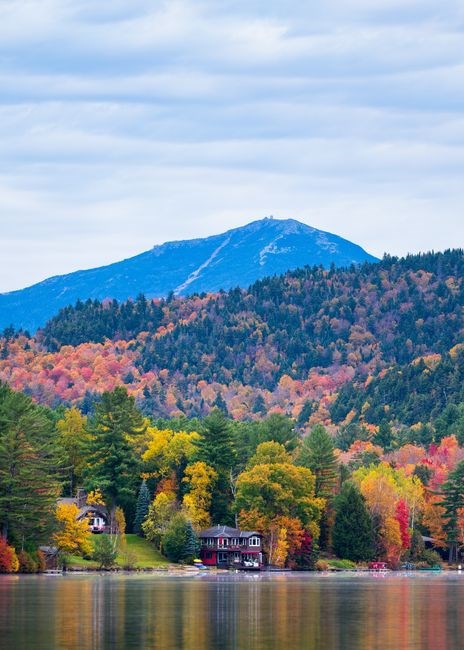
AMC White Mountain hosts a mosaic of alpine, subalpine, and montane ecosystems, each supporting distinct fauna. The high‑elevation zones are dominated by hardy species such as marmots, pikas, and alpine lizards that thrive on sparse vegetation and steep terrain. Below the treeline, black bears, mountain goats, and mule deer roam, while the forest floor shelters chipmunks, squirrels, and a variety of songbirds. The area’s streams and ponds provide critical habitat for trout, amphibians, and aquatic insects, forming the base of a complex food web. Seasonal migrations bring raptors—eagles, hawks, and owls—into the region, where they hunt small mammals and fish. Predators like coyotes and bobcats maintain ecological balance by controlling prey populations. The flora, ranging from hardy alpine grasses to dense coniferous stands, offers shelter and food, creating a dynamic interplay between plant and animal life. Human activity is carefully managed to preserve these interactions; visitors are encouraged to observe wildlife from a distance, stay on designated trails, and practice Leave No Trace principles. Understanding the interdependence of species and habitats enhances appreciation for the mountain’s natural heritage and underscores the importance of conservation efforts.The mountain’s enduring resilience, reflected in its diverse flora and fauna, invites visitors to witness the delicate balance of life that thrives amid rugged peaks, inspiring stewardship and a deeper connection to the natural world, a testament to the land’s quiet resilience for all who wander.

Photography and Observation Tips
Capturing AMC White Mountain’s grandeur demands both technical skill and an appreciation for the landscape’s rhythm. Begin by selecting the right gear: a DSLR or mirrorless camera with interchangeable lenses, a sturdy tripod, and a polarizing filter to tame glare on snow and water. For sweeping vistas, a wide‑angle lens (14–24 mm) reveals the full breadth of the peaks, while a telephoto (70–200 mm) isolates distant alpine flora and wildlife. In the early morning or late afternoon, the golden hour bathes ridges in warm light, softening harsh shadows and accentuating texture. Use a low ISO (100–400) to minimize noise, and adjust shutter speed to freeze motion—especially when photographing moving water or animals. A neutral‑density filter can extend exposure times for silky water effects, even during daylight. Composition is key: employ the rule of thirds, leading lines, and foreground interest to guide the viewer’s eye. When photographing wildlife, keep a respectful distance; a telephoto lens allows close detail without disturbing natural behavior. For macro shots of lichens or alpine flowers, a macro lens or close‑up attachment captures intricate patterns. Post‑processing should enhance natural colors without over‑editing; adjust white balance, contrast, and saturation subtly. Finally, respect the environment: stay on marked trails, avoid trampling vegetation, and leave no trace. By blending technical knowledge with mindful observation, you’ll create images that honor AMC White Mountain’s fragile beauty and inspire others to protect it. Each image you take is a pledge to protect this fragile ecosystem; choose respectful angles, avoid disturbing habitats, and let your lens honor the mountain’s soul for all who wander.
Visitor Experience and Amenities
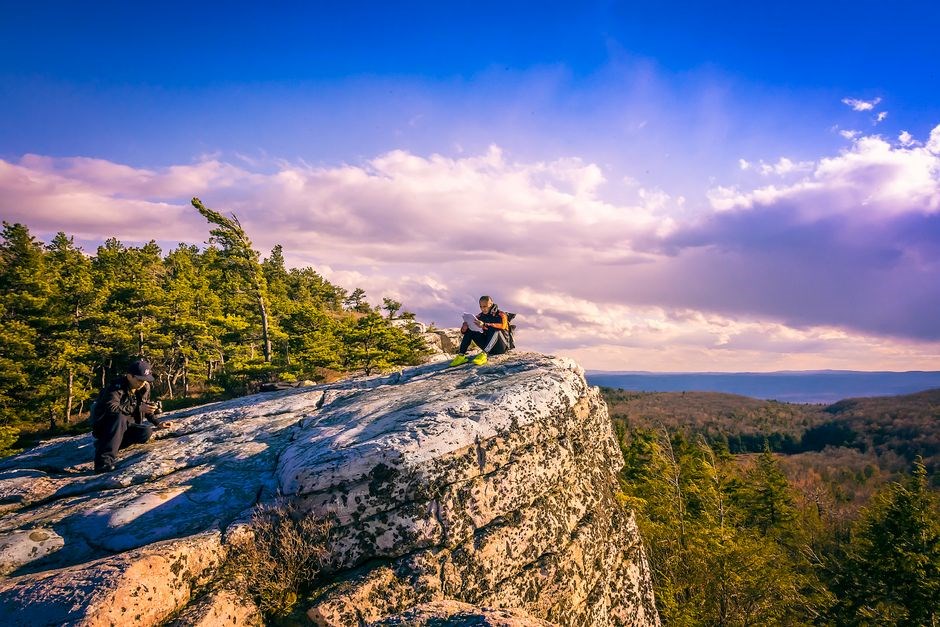
AMC White Mountain welcomes hikers, climbers, and nature lovers with a range of visitor services designed to enhance comfort and safety. The main visitor center offers maps, trail guides, and a knowledgeable staff who can advise on current conditions, permit requirements, and seasonal hazards. For those seeking a break, a modest café serves light fare, locally sourced snacks, and hot beverages, all prepared with an emphasis on sustainability. A small gift shop stocks regional crafts, educational books, and essential gear, allowing visitors to support local artisans while acquiring useful items. Accessibility is a priority: paved pathways, wheelchair‑accessible restrooms, and audio‑descriptive trail maps ensure that all guests can enjoy the park’s offerings. The park also hosts ranger‑led programs, including guided hikes, wildlife talks, and stargazing nights, fostering a deeper connection to the environment. For overnight stays, the backcountry cabins and designated campsites provide rustic lodging, complete with fire rings, picnic tables, and basic amenities. Each paragraph amenities, blending convenience with conservation, ensuring a greatvery memorable experience. Each site is managed to minimize ecological impact, with clear waste‑disposal protocols and fire‑safe practices. Visitors are encouraged to leave no trace, recycle waste, and respect wildlife, ensuring that the pristine environment remains untouched for future generations to explore and cherish. Enjoy panoramic vistas moments that only alpine landscapes can offer!!
AMC White Mountain’s environmental stewardship program is a cornerstone of the park’s mission to preserve its fragile alpine ecosystems while welcoming visitors. The initiative focuses on four pillars: education, conservation, restoration, and community engagement. Through interpretive signage, guided walks, and digital resources, visitors learn about soil erosion, native plant communities, and the importance of staying on designated trails. Volunteer trail crews conduct regular maintenance—clearing fallen branches, repairing erosion control structures, and installing low‑impact boardwalks—to protect both hikers and the natural habitat. The park partners with local universities and conservation groups to monitor wildlife populations, track invasive species, and implement habitat restoration projects that reintroduce native grasses and wildflowers. A rigorous waste‑management policy mandates a strict “pack‑in, pack‑out” ethic, supplemented by strategically placed composting stations and recycling bins at key trailheads. Energy use is minimized through solar‑powered lighting at shelters and the use of LED fixtures in visitor centers. The park also participates in regional carbon offset programs, planting native trees along trail corridors to sequester carbon and enhance biodiversity. By integrating science, community, stewardship, AMC White Mountain ensures that its majestic landscapes endure for generations while offering an enriching experience for all who visit. Enjoy!