
Safety Information
Important considerations regarding the Samsung RS261MD refrigerator’s operation are crucial for user well-being and appliance longevity, ensuring safe usage.
Always adhere to the provided warnings and guidelines to prevent potential hazards during installation, operation, and maintenance of this Samsung model.
Important Safety Warnings
Before operating your Samsung RS261MD refrigerator, carefully read all instructions to minimize risks. Never attempt to repair the appliance yourself; contact qualified personnel for service. Avoid storing flammable substances near the refrigerator to prevent fire hazards.
Ensure proper grounding to prevent electrical shock. Do not use extension cords or adapters. Keep ventilation openings clear of obstructions for efficient cooling. Disconnect the power supply before cleaning or performing maintenance. Avoid overloading electrical circuits.
Exercise caution when handling glass shelves and bins to prevent breakage. Do not allow children to play with or around the refrigerator. Be mindful of door closing mechanisms to avoid entrapment. Always follow water filter replacement instructions carefully. Refer to the user manual for detailed safety guidelines and warnings specific to the RS261MD model.
Electrical Connection Guidelines

Proper electrical connection is vital for the safe and efficient operation of your Samsung RS261MD refrigerator. Ensure the voltage and frequency match the appliance’s specifications, typically 120V/60Hz. Use a dedicated, grounded three-prong electrical outlet, avoiding extension cords or adapters which can pose a fire risk.
Verify the outlet is easily accessible for disconnection in emergencies. Do not share the outlet with other appliances to prevent overloading. Inspect the power cord for damage before use; replace if necessary. Confirm the electrical system meets local codes and regulations.
Grounding is essential for safety; never remove the grounding prong. If an extension cord is absolutely necessary, use a heavy-duty, properly grounded cord. Consult a qualified electrician if you are unsure about electrical requirements. Always disconnect power before any maintenance or relocation of the RS261MD refrigerator.

Getting Started
Begin your Samsung RS261MD experience by carefully unpacking and installing the refrigerator, then identifying all interior and exterior components for familiarization.
Follow these initial steps to ensure proper setup and optimal performance of your new appliance, maximizing its functionality.
Unpacking and Installation
Carefully unpack your Samsung RS261MD refrigerator, inspecting for any shipping damage before proceeding. Remove all packing materials, including tape and protective films, from both the interior and exterior surfaces. Ensure you have all the necessary components, referencing the parts list in the manual.
Position the refrigerator in a well-ventilated area, away from direct sunlight and heat sources. Maintain adequate space around the unit – typically a few inches on the sides and back – for proper air circulation. Level the refrigerator using the adjustable feet to ensure stable operation and prevent noise.
Connect the water supply line if your model has an ice maker and water dispenser. Follow the instructions provided in the manual for proper connection and leak prevention. Important: Ensure the water supply is turned off before connecting the line. Once installed, flush the water line to remove any air or impurities before using the dispenser.
Finally, allow the refrigerator to stand upright for several hours before plugging it in to allow the refrigerant to settle. This prevents potential damage to the compressor.
Parts Identification ― Exterior
The Samsung RS261MD exterior features a side-by-side design. Locate the freezer door, typically on the left, and the refrigerator door on the right. The ice and water dispenser is usually integrated into the refrigerator door, providing convenient access to chilled water and ice.
Observe the control panel, generally positioned on the refrigerator door, which allows you to adjust temperature settings and activate various functions. Identify the door handles, designed for easy opening and closing. Note the exterior finish, which may vary depending on the model (stainless steel, black stainless steel, or white).
Examine the exterior lighting system, often utilizing LED illumination for energy efficiency. Check for adjustable shelves and bins visible from the outside. Finally, familiarize yourself with the location of the model and serial number plate, typically found on the interior side of the refrigerator compartment, essential for service and warranty purposes.
Parts Identification ⸺ Interior
Inside the Samsung RS261MD, the freezer side features shelves, drawers, and door bins for organized storage. Locate the ice maker, typically in the upper portion of the freezer, and the ice storage bin below. Identify the adjustable shelves, allowing customization for various item sizes.
On the refrigerator side, you’ll find adjustable shelves, crisper drawers for fruits and vegetables, and door bins for condiments and smaller items. Note the humidity-controlled crispers, designed to maintain optimal freshness. Observe the CoolSelect Pantry, a dedicated compartment for preserving meats and cheeses.
Familiarize yourself with the LED lighting system, providing bright and efficient illumination. Check for the air filter, responsible for removing odors and maintaining air quality. Finally, identify the temperature control settings, allowing you to adjust the cooling levels within both the freezer and refrigerator compartments.

Using Your Refrigerator
Effectively operate your Samsung RS261MD by understanding the control panel, temperature settings, ice/water dispenser, and door alarm features for optimal performance.
Control Panel Overview
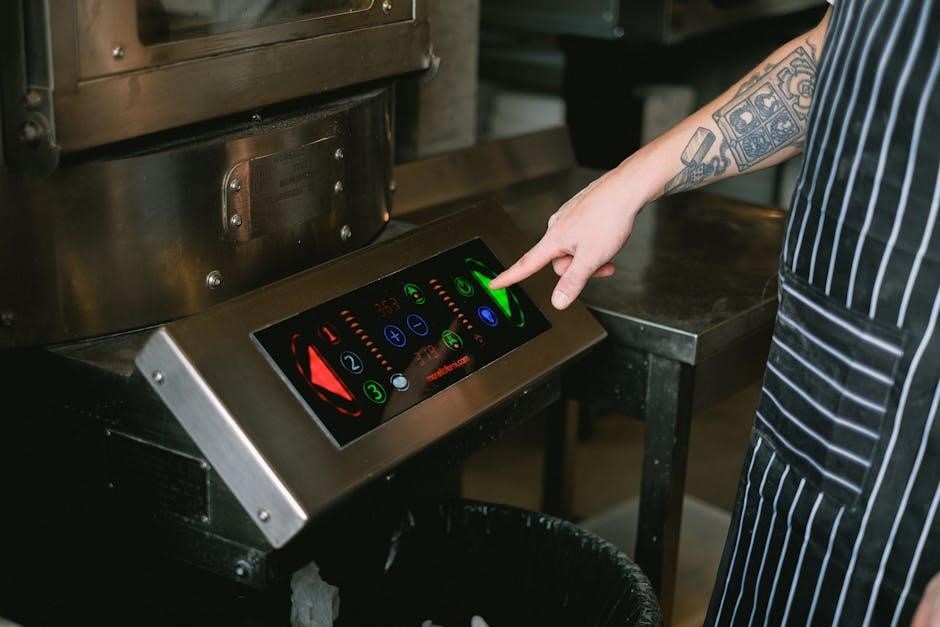
The control panel, located on the dispenser fascia, manages refrigerator and freezer temperatures, ice and water functions, and various settings. Digital displays clearly show the current temperature settings for both compartments, allowing for precise adjustments. Buttons are intuitively labeled for ‘Fridge Temp’, ‘Freezer Temp’, ‘Ice Mode’ (off, auto, always on), and ‘Water Filter Reset’.
Illuminated icons indicate the status of features like the ice maker and water filter. A ‘Lock’ function disables the dispenser controls to prevent accidental operation, particularly useful for households with children. The ‘Energy Saver’ mode optimizes energy consumption by adjusting temperature settings. Diagnostic features are accessible through specific button combinations, potentially displaying error codes for troubleshooting. Familiarize yourself with each button and indicator to maximize the refrigerator’s functionality and ensure efficient operation. Refer to the full manual for detailed explanations of advanced settings and troubleshooting procedures.
Temperature Control Settings
Adjusting temperatures is done via the control panel’s ‘Fridge Temp’ and ‘Freezer Temp’ buttons. Recommended settings are 37°F (3°C) for the refrigerator and 0°F (-18°C) for the freezer, though these can be customized based on food storage needs. Each press of the temperature buttons cycles through preset options – typically ‘Normal’, ‘Economy’, and ‘Max Cool’ for the fridge, and ‘Normal’ and ‘Max Freeze’ for the freezer.
‘Economy’ mode slightly raises temperatures to conserve energy, while ‘Max Cool’ or ‘Max Freeze’ rapidly lowers temperatures for quickly chilling items. Allow 24 hours for temperature changes to stabilize after adjustments. Avoid frequent temperature adjustments, as this can impact energy efficiency. Monitoring food storage guidelines is crucial; proper temperature maintenance ensures food safety and preserves freshness. Consult the manual for specific recommendations based on food type.
Ice and Water Dispenser Operation
The RS261MD features a through-the-door ice and water dispenser. To dispense water, firmly press a glass against the dispenser paddle. For ice, select either ‘cubed’ or ‘crushed’ ice using the dispenser control. Pressing the glass against the paddle initiates ice dispensing; remove the glass to stop. Ensure a properly installed water line and sufficient water pressure for optimal operation.
Initial use may require discarding the first few batches of ice to flush the system; The ice maker automatically refills, but may temporarily slow production after heavy use. A water filter is essential for clean, fresh-tasting water and ice; replace it every six months. If the dispenser isn’t working, check the water supply and ensure the ice maker isn’t turned off. Refer to the ‘Troubleshooting’ section for further assistance.
Door Alarm Function
The RS261MD refrigerator is equipped with a door alarm to alert you if a door is left open for an extended period. This feature helps maintain internal temperatures, preserving food and minimizing energy consumption. The alarm will sound after approximately two minutes with the door ajar. To silence the alarm, simply close the door completely.
The alarm is not a substitute for careful monitoring of door closure. Regularly check that both the refrigerator and freezer doors are securely closed, especially after loading or unloading items. If the alarm sounds intermittently even with the doors closed, check for obstructions preventing a tight seal. Ensure the door gaskets are clean and undamaged. Refer to the ‘Troubleshooting’ section if the alarm persists or malfunctions.

Refrigerator Features
The RS261MD boasts adjustable shelving, humidity-controlled crispers, a CoolSelect Pantry, and the advanced Twin Cooling Plus System for optimal food preservation.
These features enhance organization, maintain freshness, and provide customized storage solutions within your Samsung refrigerator.
Adjustable Shelves and Bins
The Samsung RS261MD refrigerator offers exceptional flexibility with its adjustable shelving and bin system, designed to accommodate items of various sizes and shapes. Shelves can be easily repositioned to create more space for taller containers or larger platters, maximizing the usable interior volume.
Bins, including door bins and crisper drawers, are also adjustable, allowing you to customize the storage layout to suit your specific needs. Door bins can be moved to different heights, providing convenient access to frequently used items like condiments and beverages.

The adjustable nature of these components ensures efficient organization and prevents food from being obscured or forgotten in the back of the refrigerator. Properly adjusting shelves and bins not only optimizes space but also promotes better air circulation, contributing to consistent temperature distribution and enhanced food preservation. Regularly rearranging these elements allows you to adapt the refrigerator’s interior to changing storage requirements.
Humidity-Controlled Crispers
The Samsung RS261MD refrigerator features humidity-controlled crispers, specifically engineered to maintain optimal freshness for your fruits and vegetables. These crispers allow you to adjust the humidity levels, creating an ideal environment for different produce types.
Higher humidity settings are recommended for leafy greens and vegetables that tend to wilt, helping to retain moisture and prevent spoilage. Lower humidity settings are best suited for fruits and vegetables that produce ethylene gas, such as apples and pears, minimizing premature ripening.
By controlling the humidity, you can significantly extend the shelf life of your produce, reducing food waste and ensuring that your fruits and vegetables remain crisp and flavorful for longer. Proper utilization of these crispers contributes to a healthier lifestyle and cost savings. Regularly check and adjust the humidity levels based on the contents of the crispers for best results.
CoolSelect Pantry
The CoolSelect Pantry in your Samsung RS261MD refrigerator offers a versatile storage solution with adjustable temperature settings. This dedicated compartment allows you to customize the temperature to suit various food items, extending their freshness and flavor.
You can select from three temperature zones: Chill, Deli, and Soft Freeze. The Chill zone is ideal for beverages and frequently used items. The Deli zone provides optimal conditions for cheeses, meats, and prepared foods. The Soft Freeze zone is perfect for storing items that require a slightly frozen temperature, like ice cream or partially frozen foods.
Utilizing the CoolSelect Pantry effectively minimizes food spoilage and maximizes convenience. Experiment with different temperature settings to find the perfect environment for your specific needs. Proper temperature control ensures that your food stays fresher for longer, reducing waste and enhancing your culinary experience.
Twin Cooling Plus System
The Twin Cooling Plus System in the Samsung RS261MD refrigerator represents a significant advancement in food preservation technology. This innovative system utilizes two separate evaporators and cooling fans to maintain optimal humidity levels in both the refrigerator and freezer compartments.
Unlike conventional refrigerators, Twin Cooling Plus prevents odor transfer between the fresh food and frozen food sections. This ensures that your delicate foods retain their original flavors and aromas. Furthermore, the higher humidity levels in the refrigerator compartment help to keep fruits and vegetables crisp and fresh for an extended period.
By independently controlling the temperature and humidity in each compartment, Twin Cooling Plus minimizes freezer burn and maximizes food quality. This system contributes to a healthier and more enjoyable food storage experience, reducing waste and preserving the nutritional value of your groceries;

Maintenance and Care
Regular cleaning, filter replacements (water and air), and periodic defrosting are essential for optimal performance and longevity of your Samsung RS261MD refrigerator.
Following these procedures ensures hygienic food storage and efficient operation, maintaining the appliance’s quality for years to come.
Cleaning Instructions
To maintain your Samsung RS261MD refrigerator’s pristine condition and ensure optimal hygiene, regular cleaning is paramount. Begin by disconnecting the appliance from the power source. For both interior and exterior surfaces, utilize a mild detergent solution and a soft cloth. Avoid abrasive cleaners, as they can damage the finish.
Interior cleaning should include removing all shelves and bins, washing them separately with warm, soapy water, and drying them thoroughly before replacement. Wipe down the interior walls and door gaskets with the detergent solution, paying close attention to any spills or stains. Rinse with clean water and dry completely.
The exterior can be cleaned similarly, focusing on the door surfaces and control panel. For stainless steel exteriors, use a stainless steel cleaner to prevent streaks and maintain shine. Regularly clean the condenser coils, located at the back of the refrigerator, with a vacuum cleaner brush attachment to improve efficiency. Remember to dry all components before reassembling.
Avoid using harsh chemicals or scouring pads, as these can cause irreversible damage. Consistent cleaning will prolong the life of your refrigerator and ensure food safety.
Replacing the Water Filter
Maintaining optimal water quality in your Samsung RS261MD refrigerator requires periodic water filter replacement. Samsung recommends replacing the filter every six months, or sooner if water flow diminishes. Begin by locating the filter, typically found inside the refrigerator compartment, often in the upper right corner.
To replace the filter, gently turn the existing filter counterclockwise and pull it straight out. Note the alignment of the filter for correct reinstallation. Remove the protective cap from the new filter and align it with the filter housing. Push the new filter firmly into place and turn it clockwise until it locks.
After installation, flush the water system by dispensing water for approximately five minutes to remove any air or debris. Discard the first few pitchers of water. A filter replacement indicator light will illuminate, reminding you when it’s time for the next change. Using genuine Samsung filters ensures optimal performance and water purity.
Always follow these steps to guarantee clean and refreshing water from your refrigerator’s dispenser.
Replacing the Air Filter
Maintaining fresh air within your Samsung RS261MD refrigerator is vital for preserving food quality and minimizing odors. The air filter should be replaced every six months, or more frequently if needed, to ensure optimal performance. Locate the air filter, typically situated in the upper portion of the refrigerator compartment.
To replace the filter, gently press the release button or lever to unlock the filter cover. Remove the old air filter and note its orientation for correct installation of the new one. Remove the packaging from the new air filter and insert it into the housing, ensuring it clicks securely into place.
Close the filter cover until it locks. A filter replacement indicator light will illuminate when a new filter is required. Using a genuine Samsung air filter guarantees effective odor removal and maintains a clean, fresh environment inside your refrigerator.
Regular air filter replacement contributes to the longevity of your food and the overall hygiene of your appliance.
Defrosting Procedures
The Samsung RS261MD refrigerator features an automatic defrost system, eliminating the need for manual defrosting under normal operating conditions. However, if excessive frost buildup occurs, particularly after prolonged door openings or improper sealing, a manual defrost may be necessary.
To initiate a manual defrost, unplug the refrigerator from the power outlet. Remove all food items and store them in a cool place. Leave the refrigerator and freezer doors open to allow the frost to melt naturally. Avoid using sharp objects or excessive force to remove ice, as this could damage the refrigerator’s interior.
Place towels or pans to collect any melting water. Once all the frost has melted, thoroughly clean and dry the interior before plugging the refrigerator back in. Allow the refrigerator to reach its optimal temperature before restocking with food.
Regular maintenance and ensuring proper door seals will minimize frost buildup and reduce the need for manual defrosting.

Troubleshooting
Addressing common issues like ice maker malfunctions, water dispenser problems, or error codes is vital for maintaining optimal Samsung RS261MD performance and functionality.
Refer to the provided solutions and error code explanations to quickly resolve problems and ensure continued reliable operation of your refrigerator.
Common Issues and Solutions
Refrigerator not cooling sufficiently: Verify the temperature settings are correct and the condenser coils are clean. Dust accumulation restricts airflow, reducing cooling efficiency. Regularly vacuum the coils located at the back or bottom of the unit.
Excessive frost buildup: Ensure the door seals are airtight. Damaged seals allow warm, moist air to enter, causing frost. Inspect and replace seals if necessary. Avoid prolonged door openings.
Strange noises: A humming sound is normal, but loud or unusual noises may indicate a problem with the fan motor or compressor. Contact a qualified technician for inspection.
Water leaking inside: Check the drain tube for clogs. A blocked drain tube can cause water to overflow. Flush the tube with warm water to clear any obstructions. Also, ensure proper leveling.
Ice maker not producing ice: Confirm the water supply line is connected and the water valve is open. Check the freezer temperature; it must be cold enough for ice formation. Reset the ice maker if needed.
Ice Maker Problems
Ice maker not producing ice: First, verify the water supply line is securely connected and the shut-off valve is fully open. Confirm the freezer temperature is set to 0°F (-18°C) or lower – crucial for ice production. Resetting the ice maker, often via a button on the unit, can resolve minor glitches.
Ice cubes are small or misshapen: This often indicates low water pressure. Check the water supply line for kinks or obstructions. A partially clogged water filter can also contribute to this issue; consider replacement.
Ice maker is jammed: Turn off the ice maker and carefully remove any ice clumps or obstructions from the ice bin. Avoid using sharp objects that could damage the components.
Ice dispenser not working: Ensure the ice bin isn’t empty or overfilled. Check for any ice jams in the dispenser chute. A faulty dispenser motor may require professional repair.
Water leaking from ice maker: Inspect the water line connections for leaks. A cracked or damaged water line should be replaced immediately.
Water Dispenser Issues
Water dispenser not working: Initially, confirm the water supply line is properly connected and the shut-off valve is fully open. Verify the refrigerator is receiving water pressure. A frozen water line is a common culprit; attempt to thaw it carefully.
Slow water dispensing: This often points to a clogged water filter. Replace the filter with a genuine Samsung replacement. Low water pressure can also contribute to slow dispensing; check your home’s water supply.
Water leaking from dispenser: Inspect the water line connections and the dispenser nozzle for any signs of leaks. A damaged water tank or dispenser valve may require professional attention.
Water tastes or smells odd: Replace the water filter immediately. Flush the water dispenser for several minutes after filter replacement to remove any air or residual particles.
Dispenser lock feature activated: Ensure the dispenser lock feature isn’t accidentally engaged, preventing water flow. Refer to the control panel settings.
Error Codes and Meanings
Error codes displayed on the Samsung RS261MD refrigerator’s control panel indicate specific issues requiring attention. “E1” typically signals an ice maker malfunction, potentially due to a frozen water supply or faulty ice maker module.
“E2” often relates to a defrost system failure, indicating a problem with the defrost heater, thermostat, or control board. “E3” suggests a temperature sensor issue, impacting cooling performance.
“E4” can signify a fan motor problem, affecting air circulation. “E5” usually points to a water supply issue, like a blocked water line or low water pressure.
“E6” indicates a communication error between the control board and other components. If an error code persists, record it and contact Samsung customer support or a qualified technician for assistance. Attempting self-repair without proper knowledge can void the warranty.

Technical Specifications
The Samsung RS261MD boasts dimensions suitable for standard kitchens, weighing approximately 285 pounds. Energy consumption is rated for efficient operation, as per Samsung standards.
Detailed measurements and power usage data are available in the full user manual, aiding in installation and energy planning.
Dimensions and Weight
Understanding the physical specifications of your Samsung RS261MD refrigerator is vital for proper placement and ensuring it fits seamlessly into your kitchen layout. This side-by-side model requires careful consideration of available space, including width, depth, and height, to avoid installation issues.
Specifically, the RS261MD typically measures approximately 37 inches in width, 33.5 inches in depth (excluding handles), and around 70 inches in height. However, these dimensions can slightly vary depending on the specific sub-model (like RS261MDPN-XAA or RS261MDWP-XAA). Always consult the detailed specifications within your user manual for precise measurements related to your exact model.
Regarding weight, the Samsung RS261MD is a substantial appliance, weighing in at approximately 285 pounds. This considerable weight necessitates careful handling during delivery and installation, often requiring at least two people to maneuver it safely. Ensure your flooring can support this weight to prevent any structural concerns.
Properly accounting for these dimensions and weight considerations will contribute to a smooth and successful installation process, maximizing the functionality and longevity of your refrigerator.
Energy Consumption
Understanding the energy usage of your Samsung RS261MD refrigerator is crucial for managing household expenses and minimizing environmental impact. While released in 2010, this model’s energy consumption is a key factor for long-term cost-effectiveness.
Typically, the RS261MD has an estimated annual energy consumption of around 650-750 kWh (kilowatt-hours). This figure can fluctuate based on usage patterns, ambient temperature, and how frequently the door is opened. Utilizing energy-saving features, such as optimal temperature settings and avoiding prolonged door openings, can help reduce consumption.
The Energy Guide label, found on the refrigerator, provides a more precise estimate tailored to your specific model and usage conditions. Comparing this estimate to similar refrigerators can help assess its energy efficiency. Remember that older models like the RS261MD may not meet the efficiency standards of newer appliances.
Regular maintenance, like cleaning the condenser coils, also contributes to optimal energy performance. By being mindful of energy usage, you can operate your refrigerator responsibly and economically.