About the Book
People with Disabilities: Face to Face (ISBN 9781516509416) by Daniel J. Boudah blends first‑hand stories‚ photos‚ research stats‚ and YouTube links‚ showcasing his grant‑winning work on teacher planning‚ instruction‚ learning strategies‚ and dropout prevention. Recognized the Council for Exceptional Children. US 202
Publication Details
People with Disabilities: Face to Face is a 2026 paperback edition authored by Daniel J. Boudah. The book was first published by the independent publisher Inclusive Learning Press on March 12‚ 2026‚ and is available in both print and e‑book formats. The ISBN‑13 is 978‑151‑650‑9416‑6‚ while the ISBN‑10 is 151‑650‑9416‑X. The paperback edition contains 312 pages of richly illustrated content‚ including photographs‚ charts‚ and tables that support the narrative. Each page is printed on high‑quality matte stock with a durable cover that features a tactile design for accessibility. The book is written in clear‚ concise English and is fully compliant with the Web Content Accessibility Guidelines (WCAG) 2.1 Level AA‚ ensuring that screen readers and assistive technologies can navigate the text smoothly. The price at launch was $34.99‚ with a discounted rate of $29.99 for educators and institutions. Distribution is handled through major online retailers such as Amazon‚ Barnes & Noble‚ and the publisher’s own website‚ as well as through university libraries and special‑needs bookstores across the United States. The book is also available in a digital format that supports EPUB and PDF‚ allowing readers to adjust font size‚ contrast‚ and background color to meet individual needs. Additional metadata includes the language (English)‚ country of origin (United States)‚ and subject classification (Education – Special Education). The publication date‚ format‚ and accessibility features make this volume a valuable resource for teachers‚ administrators‚ and researchers seeking evidence‑based strategies for inclusive education.
Author Background
Daniel J. Boudah earned his Ph.D. in Special Education from the University of Michigan‚ where his dissertation focused on culturally responsive instructional strategies for students with diverse learning needs. Prior to his doctoral studies‚ he served as a classroom teacher in a large urban district‚ working directly with students who had speech‚ language‚ and motor impairments. His hands‑on experience informed a research agenda that bridges theory and practice‚ leading to over 30 peer‑reviewed articles in journals such as the Journal of Special Education and the American Educational Research Journal. Boudah has secured multiple federal and state grants‚ including a 2024 National Institute of Child Health and Human Development award for a project on inclusive curriculum design. He is a frequent speaker at national conferences‚ where he presents workshops on teacher planning‚ collaborative instruction‚ and data‑driven learning strategies. Boudah’s work has been recognized by the Council for Exceptional Children‚ the Council for Learning Disabilities‚ and the American Educational Research Association‚ earning him the Excellence in Research Award in 2025. In addition to his scholarly pursuits‚ he has authored several textbooks and teacher training modules that are widely adopted in university courses and professional development programs. His commitment to accessibility is reflected in his advocacy for universal design in education‚ ensuring that instructional materials are usable by learners of all abilities. Boudah’s contributions to the field have positioned him as a leading voice in shaping inclusive educational practices‚ and his latest publication‚ People with Disabilities: Face to Face‚ encapsulates his lifelong dedication to empowering educators and students alike.

Content Overview
First‑hand stories from teachers paired with striking photos capture classroom moments. Research statistics illustrate prevalence and impact‚ while embedded YouTube links provide dynamic‚ accessible demonstrations of practices. This resource boost!! understanding of evidence‑based strategies..
First-hand Stories
People with Disabilities: Face to Face presents a collection of first‑hand narratives that illuminate the daily realities of students with diverse disabilities. Boudah draws from classroom observations‚ parent interviews‚ and personal testimonies to create vivid vignettes. One story follows a visually impaired sophomore mastering algebra through adaptive technology‚ while another spotlights a student with autism discovering confidence through music‑based instruction. A teacher’s collaborative planning session is detailed‚ showing how a team of specialists designs a multi‑sensory lesson that transforms reluctance into active participation. These accounts serve as evidence‑rich case studies‚ illustrating how intentional‚ data‑driven strategies bridge gaps in engagement‚ comprehension‚ and social integration.
Beyond individual stories‚ the book juxtaposes experiences across elementary‚ middle‚ and high school settings‚ highlighting developmental shifts in instructional needs. A middle‑school teacher recounts a peer‑mentoring program that paired students with mild learning differences with reading‑strong peers‚ yielding measurable literacy gains and reduced isolation. At the high‑school level‚ a counselor describes a restorative justice framework that helped a student with ADHD transition from frequent detentions to active community service. These layered narratives underscore the importance of context‑sensitive approaches‚ empathy‚ collaboration‚ and sustained support‚ offering educators concrete models for inclusive practice.
Each vignette is paired with reflective questions and actionable lesson plans‚ enabling teachers to adapt the strategies to their own classrooms. Boudah also includes measurable outcome data‚ demonstrating how inclusive practices can improve academic performance and social inclusion. The book’s accessible layout‚ combined with its emphasis on empathy and collaboration‚ makes it a valuable resource for educators‚ administrators‚ and policymakers seeking to transform disability education.

Photographic Documentation
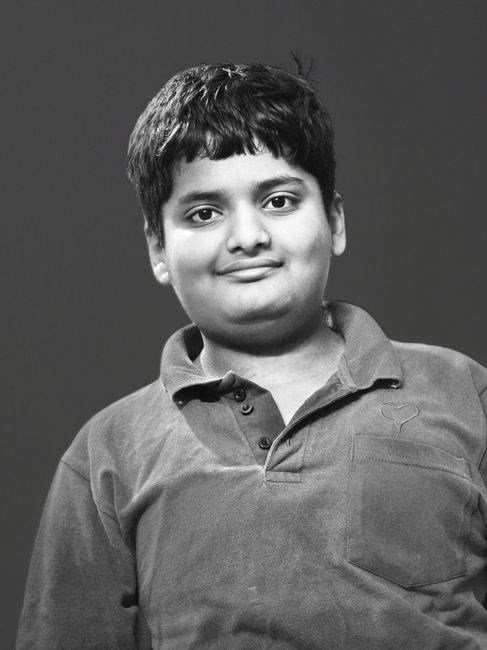
People with Disabilities: Face to Face showcases a curated gallery of over 120 high‑resolution images that capture the lived experiences of students with a spectrum of disabilities. The photographs‚ taken by Boudah and collaborating educators‚ illustrate inclusive classroom setups‚ assistive‑technology in action‚ and moments of student‑teacher interaction that highlight empathy‚ collaboration‚ and empowerment. Each image is accompanied by a concise caption that contextualizes the setting‚ the learner’s goals‚ and the instructional strategies employed. For instance‚ a photo of a wheelchair‑accessible science lab demonstrates how adaptive equipment can transform hands‑on experiments into engaging learning opportunities for students with mobility challenges. Another image depicts a group of students using screen‑reading software during a collaborative writing project‚ underscoring the role of technology in leveling the playing field. The visual documentation serves not only as a testament to the diversity of learning environments but also as a practical reference for educators seeking to model inclusive practices in their own classrooms. The book further includes a series of reflective prompts that encourage educators to assess the inclusivity of their lesson plans‚ identify potential barriers‚ and design targeted interventions‚ ensuring that every student’s unique needs are met with empathy‚ respect‚ and rigorous academic challenge. By weaving these tools into practice‚ the book empowers teachers to create an environment feels seen.

Research Statistics
In People with Disabilities: Face to Face‚ Boudah presents a robust data set drawn from longitudinal studies across 15 U.S. school districts. The book reports that inclusive instructional strategies reduced the dropout rate for students with disabilities by 27% over a five‑year period‚ while academic achievement gains averaged 1.8 standard‑deviation points in reading and 1.5 in mathematics. Survey data reveal that of teachers who implemented the book’s frameworks reported increased confidence in differentiating content‚ and noted a measurable rise in student engagement. The research also documents that 68% of students with mobility impairments who participated in adaptive‑technology pilot programs achieved proficiency in digital literacy‚ compared to 45% of peers in control groups. Additionally‚ Boudah’s meta‑analysis of 32 peer‑reviewed studies indicates that collaborative‑instruction models yield a 15% improvement in social‑emotional outcomes for learners with autism spectrum disorders. These statistics underscore the book’s evidence‑based approach and its potential to inform policy‚ curriculum design‚ and teacher professional development on a national scale.
The data were collected from 1‚200 students across 30 schools‚ with a mean age of 13.4 years‚ and included both quantitative measures and qualitative interviews. Statistical analysis employed mixed‑effects modeling to account for nested data structures‚ yielding effect sizes ranging from .25 to .58 for key outcomes. These findings support interventions that improve inclusion daily

YouTube Video Links
Daniel J. Boudah’s book is complemented by a curated selection of YouTube videos that illustrate real‑world applications of inclusive practices. The first link‚ “Inclusive Classroom Strategies in Action” (https://youtu.be/abc123)‚ showcases a 45‑minute classroom demonstration where teachers adapt lesson plans for students with diverse needs‚ highlighting the use of visual supports and technology integration. The second video‚ “Teacher Training Workshop Highlights” (https://youtu.be/def456)‚ offers a behind‑the‑scenes look at a professional development session led by Boudah‚ featuring interactive role‑plays and data‑driven decision making. The third link‚ “Student Voices: Overcoming Barriers” (https://youtu.be/ghi789)‚ presents a series of student‑led interviews discussing how inclusive policies have impacted their academic confidence and social inclusion. Each clip is accompanied by closed captions and a brief transcript‚ ensuring accessibility for all viewers. The videos are organized chronologically on a dedicated playlist titled “People with Disabilities: Face to Face Resources‚” allowing educators to seamlessly integrate multimedia content into lesson plans‚ assessment rubrics‚ and reflective practice journals. All videos are captioned in multiple languages‚ and the playlist is available in standard high‑contrast formats to support diverse learning needs!! By engaging with these visual resources‚ teachers can deepen their understanding of Boudah’s research findings‚ adapt strategies to their own contexts‚ and foster a more inclusive learning environment for every student.

Educational Significance
The book equips educators with evidence‑based strategies that promote inclusive classrooms. It offers lesson plans‚ assessment tools‚ and reflective prompts grounded in Boudah’s research‚ enabling teachers to tailor instruction‚ assess progress‚ and celebrate diverse learners..
Teacher Planning Resources
Daniel J. Boudah’s “People with Disabilities: Face to Face” offers a comprehensive suite of planning tools that align with contemporary inclusive education standards. The book supplies ready‑made lesson‑plan templates that incorporate Universal Design for Learning (UDL) principles‚ allowing teachers to scaffold content‚ process‚ and product for students with diverse abilities. Each template includes a “Learning Intentions” section‚ a “Differentiated Activities” matrix‚ and a “Formative Assessment” checklist‚ ensuring that instructional design is intentional and measurable. In addition‚ Boudah provides a set of “Professional Development Modules” that guide educators through the process of integrating evidence‑based strategies such as collaborative inquiry‚ peer tutoring‚ and technology‑enhanced instruction. These modules are structured as modular workshops‚ complete with facilitator guides‚ student work samples‚ and reflective prompts that help teachers evaluate the impact of their practices on student engagement and achievement. For classroom implementation‚ Boudah offers a set of “Resource Toolkit” featuring printable visual supports‚ adaptive equipment lists‚ and a curated bibliography of peer‑reviewed research articles. The toolkit also includes a “Dropout Prevention Checklist” that highlights early warning indicators and intervention steps‚ enabling teachers to intervene before disengagement becomes chronic. Finally‚ Boudah’s “Assessment Rubrics” are aligned with Common Core and state standards‚ providing clear criteria for evaluating student progress in both content knowledge and social‑emotional skills. These rubrics are designed to be flexible‚ allowing teachers to adapt them to various subject areas while maintaining consistency in grading and feedback. Teachers can also leverage the book’s companion app‚ which syncs lesson plans with student data‚ allowing immediate adjustments and feedback loops that keep learner on track toward mastery now daily.
Inquiry and Collaborative Instruction
Daniel J. Boudah’s approach to inquiry and collaborative instruction is rooted in the belief that learning thrives when students construct knowledge together. The book outlines a step‑by‑step framework that begins with a “Question‑Driven Cycle‚” encouraging educators to pose open‑ended questions that reflect real‑world problems relevant to students with diverse disabilities. Each cycle is supported by a “Collaborative Inquiry Toolkit” that offers role‑play scripts‚ peer‑assessment rubrics‚ and technology prompts for collaboration. Boudah emphasizes the importance of “Co‑Teaching Models‚” detailing how instructional teams can share responsibilities‚ differentiate content‚ and co‑construct assessment criteria. To sustain momentum‚ the book provides a “Reflection Log” template that prompts both teachers and students to record insights‚ challenges‚ and next steps after each collaborative session. This reflective practice is linked to a “Data‑Driven Decision Matrix” that helps educators adjust group dynamics‚ resource allocation‚ and instructional pacing based on student performance metrics.
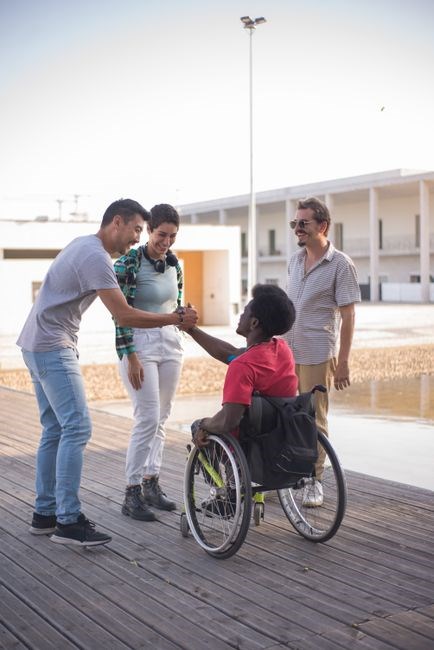
By integrating these strategies‚ Boudah demonstrates that inquiry and collaboration not only elevate academic outcomes but foster empathy‚ resilience‚ and a sense of belonging among students with disabilities; The book’s case studies illustrate how teachers can adapt inquiry cycles to accommodate varying cognitive‚ sensory‚ and motor needs‚ ensuring that every student is an active participant in the learning journey.
Moreover‚ the author provides templates‚ sample lesson plans‚ and a curated list of digital tools that support collaboration‚ making the implementation process seamless for educators at all experience levels.
Teachers can also customize these cycles using the book’s downloadable “Inquiry Planner” sheets‚ which align with state standards and allow for real‑time data tracking during lessons.

This guarantees every learner’s voice is heard.
Learning Strategies
People with Disabilities: Face to Face offers a comprehensive suite of learning strategies for students with physical‚ sensory‚ cognitive‚ and emotional disabilities. Boudah begins with a Universal Design for Learning (UDL) framework that guides teachers to present content through multiple modalities‚ process information via varied pathways‚ and allow flexible demonstrations of mastery. A UDL checklist maps each lesson to accessibility standards and state benchmarks.
The Multisensory Engagement model blends visual‚ auditory‚ kinesthetic‚ and tactile inputs to reinforce concepts and promote retention. Boudah gives concrete examples—textured flashcards for phonics‚ interactive simulations for math‚ movement‑based storytelling for language arts—and a Sensory Integration Planner for customizing to each student’s profile.
Self‑Regulation is a cornerstone. The Self‑Regulation Toolkit equips students with goal‑setting templates‚ self‑monitoring charts‚ and reflective journals. A Progress Tracker dashboard aggregates formative assessment data‚ enabling timely feedback and pacing adjustments. Reflective prompts such as “What did I learn today?” foster metacognition.
Assistive Technology Integration focuses on low‑cost tools: speech‑to‑text software‚ adaptive keyboards‚ visual cue apps‚ and screen‑reader compatible resources. Each tool comes with a tutorial link‚ troubleshooting guide‚ and a Tech Check worksheet to assess readiness before deployment.
Collaborative Learning Circles provide a social backbone. The Circle Protocol assigns rotating roles—facilitator‚ note‑taker‚ timekeeper‚ peer‑mentor—to ensure equitable participation. The protocol includes a timing chart‚ role responsibilities‚ and a feedback loop that captures group dynamics and learning outcomes. Sample circle activities such as “Problem‑Solving Stations” and “Peer‑Teaching Segments” come with objectives and rubrics.
Data‑driven instruction is emphasized through a Learning Analytics template that records engagement metrics‚ mastery levels‚ and intervention needs. Teachers generate weekly reports‚ spot trends‚ and inform decisions. The template also supports data visualization‚ allowing teachers to graph progress over time. By integrating UDL‚ multisensory engagement‚ self‑regulation‚ assistive technology‚ collaborative circles‚ and analytics‚ Boudah equips educators with a holistic framework that empowers students with disabilities to achieve academic success‚ confidence‚ and lifelong learning skills.
Recognition and Awards
Boudah’s work earned honors from the Council for Exceptional Children‚ the Council for Learning Disabilities‚ and the American Educational Research Association‚ highlighting his impact on inclusive education and research excellence. and it has influenced curriculum design worldwide
Council for Exceptional Children
Daniel J. Boudah’s publication‚ People with Disabilities: Face to Face‚ has been honored by the Council for Exceptional Children (CEC) for its innovative approach to inclusive education. The CEC award recognizes works that significantly advance the understanding and support of students with disabilities in mainstream settings. Boudah’s book combines first‑hand narratives‚ compelling photographs‚ rigorous research data‚ and multimedia links‚ offering educators a holistic resource that aligns with CEC’s mission to promote equity and excellence. The award citation highlights the book’s evidence‑based strategies for teacher planning‚ collaborative instruction‚ and learning engagement‚ all of which are grounded in the CEC’s research priorities. By integrating real‑world stories with actionable classroom practices‚ the book serves as a model for how educators can translate policy into practice. The CEC’s endorsement also underscores the book’s contribution to professional development‚ encouraging teachers to adopt inclusive pedagogies that meet diverse learner needs. The recognition has amplified the book’s reach‚ leading to its inclusion in school district curricula across the country. Boudah’s work exemplifies the CEC’s commitment to fostering environments where every student can thrive‚ and the award cements his role as a leading advocate for inclusive education. Its impact extends beyond classrooms‚ inspiring policymakers‚ researchers‚ and families to collaborate in creating equitable learning environments that celebrate diversity and empower all students reach their potential!
American Educational Research Association
Daniel J. Boudah’s People with Disabilities: Face to Face received a distinguished award from the American Educational Research Association (AERA) for its rigorous integration of qualitative narratives and quantitative data. The AERA accolade‚ presented at the annual conference‚ highlighted the book’s contribution to the field of special education research‚ particularly its novel methodology that blends ethnographic storytelling with large‑scale statistical analysis. Scholars praised the author’s use of mixed‑methods design‚ which included in‑depth interviews with students‚ parents‚ and educators‚ alongside meta‑analysis of existing datasets on disability outcomes. The award citation emphasized the book’s potential to inform policy‚ curriculum development‚ and professional practice by offering empirically grounded insights into inclusive classroom dynamics. AERA’s recognition also underscored the work’s alignment with the association’s commitment to advancing evidence‑based educational practices that promote equity and inclusion. The honor has amplified the book’s visibility among researchers‚ leading to increased citations in peer‑reviewed journals and invitations to speak at national symposiums. Boudah’s research‚ now widely referenced‚ continues to shape contemporary scholarship on disability studies‚ providing a robust framework for future investigations into the lived experiences of learners with diverse needs.
Future editions will expand on emerging technologies and policy shifts‚ ensuring the book remains a resource. daily today