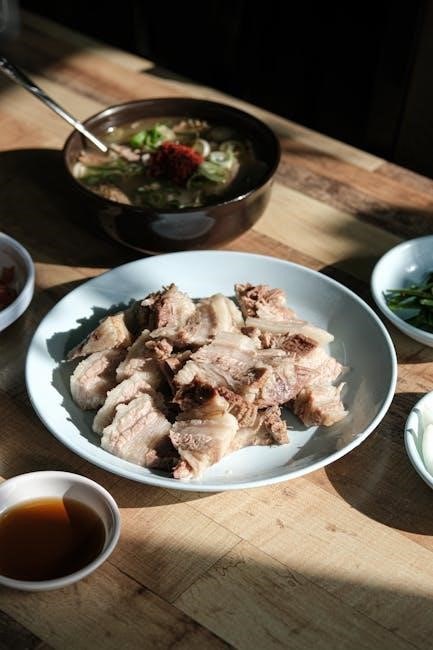
Smithfield Marinated Pork Tenderloin: A Comprehensive Cooking Guide
Smithfield’s pre-marinated pork tenderloin simplifies dinner, offering convenience and flavor. This guide details preparation, cooking methods, safety, and serving suggestions for a delightful meal.
Understanding Smithfield Marinated Pork Tenderloin
Smithfield Marinated Pork Tenderloin presents a convenient and flavorful option for a quick weeknight meal or a more elaborate dinner. These tenderloins are pre-seasoned, eliminating the need for extensive marinade preparation. They typically weigh around 1-1.5 pounds, making them ideal for families. The marinade itself often features a blend of savory herbs, spices, and sometimes a touch of sweetness, designed to enhance the natural flavor of the pork.
Understanding the cut is key; pork tenderloin is lean and cooks relatively quickly. It’s important to avoid overcooking to maintain its tenderness. Smithfield’s marination process ensures a juicy and flavorful result, but proper cooking techniques are still crucial for optimal enjoyment; Consider this a starting point for culinary creativity!
What Makes Smithfield Marinated Pork Tenderloin Unique?
Smithfield’s marinated pork tenderloin distinguishes itself through a commitment to quality and convenience. Unlike purchasing a plain tenderloin and marinating it yourself, Smithfield offers a pre-seasoned product, saving valuable time in the kitchen. Their marinades are carefully crafted, often incorporating unique spice blends that complement the pork’s natural flavor profile.
Furthermore, Smithfield partners with growers like Stemilt to highlight complementary flavors, suggesting pairings with fresh fruits. This focus on flavor combinations elevates the cooking experience. The consistent quality control ensures a reliably tender and flavorful product every time. It’s a streamlined solution for busy individuals seeking a delicious and effortless meal, offering a step beyond basic pork preparation.
Key Ingredients in the Marinade
While specific Smithfield marinade recipes vary, common ingredients contribute to their signature flavors. Many utilize a base of savory elements like soy sauce or Worcestershire sauce, providing umami depth. Sweeteners, such as brown sugar or honey, balance the saltiness and aid in caramelization during cooking.
Aromatic components, including garlic, onion powder, and various herbs and spices, build complexity. Greek yogurt, as seen in some recipes, tenderizes the pork while adding a subtle tang. Salt is crucial for seasoning and enhancing flavor penetration. These ingredients work synergistically to infuse the pork with moisture and a delicious, well-rounded taste, simplifying the cooking process for a flavorful result.
Benefits of Using Pre-Marinated Pork
Smithfield Marinated Pork Tenderloin offers significant advantages for home cooks. The primary benefit is time savings – eliminating the need for ingredient gathering and the marinating process itself, which can take hours. This convenience is ideal for busy weeknights or spontaneous meals.
Pre-marination ensures consistent flavor penetration throughout the pork, guaranteeing a delicious outcome every time. It also simplifies recipe execution, reducing the potential for errors in seasoning. Furthermore, the marinades tenderize the pork, resulting in a more succulent and juicy final product. This pre-seasoned option is perfect for both novice and experienced cooks seeking a flavorful, hassle-free meal.
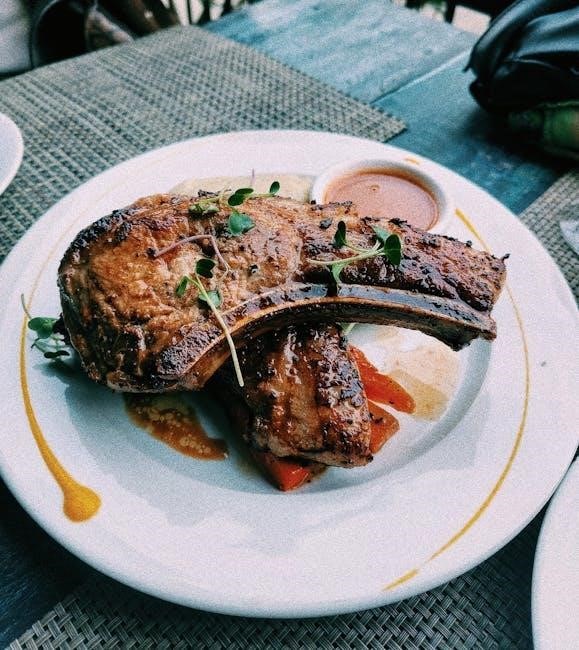
Preparation Before Cooking
Proper preparation is key! Begin by safely thawing the Smithfield pork, checking marinade integrity, and gently patting the tenderloin dry before cooking.
Thawing the Pork Tenderloin
Smithfield Marinated Pork Tenderloin should be thawed safely before cooking to ensure even cooking and optimal flavor. The recommended method is to thaw it in the refrigerator. Place the frozen tenderloin in a leak-proof container or on a plate to catch any drips, and allow ample time – typically 24 to 48 hours, depending on the size.
For faster thawing, you can submerge the sealed tenderloin in cold water, changing the water every 30 minutes. Never thaw pork at room temperature, as this can promote bacterial growth. Once thawed, the pork should be cooked within 1-2 days. Always verify the pork is fully thawed before proceeding with your chosen cooking method to guarantee a delicious and safe meal.
Checking the Marinade Integrity
Before cooking your Smithfield Marinated Pork Tenderloin, briefly inspect the marinade’s packaging. Ensure the seal was intact and there are no signs of damage or leakage, indicating potential contamination. While Smithfield’s marinades are formulated for safety and flavor, verifying package integrity provides peace of mind.
Visually examine the pork itself. The marinade should evenly coat the tenderloin. If the marinade appears significantly diminished or dried out, consider lightly re-coating the pork with a complementary sauce or a touch of olive oil to maintain moisture during cooking. This step isn’t usually necessary, but can enhance the final result, especially if the package has been opened for a while.
Patting the Pork Dry
Although Smithfield Marinated Pork Tenderloin comes pre-seasoned, patting the surface dry with paper towels before cooking is crucial for achieving a beautiful sear and optimal browning. Excess moisture inhibits the Maillard reaction, the chemical process responsible for developing rich flavors and a desirable crust.
Gently press the paper towels across the entire surface of the tenderloin, removing as much visible liquid as possible. Don’t worry about removing all the marinade; a slight tackiness is fine. This step is particularly important for pan-searing or grilling, where direct contact with heat is essential. A dry surface ensures better heat transfer and prevents steaming instead of searing, leading to a more flavorful and visually appealing result.
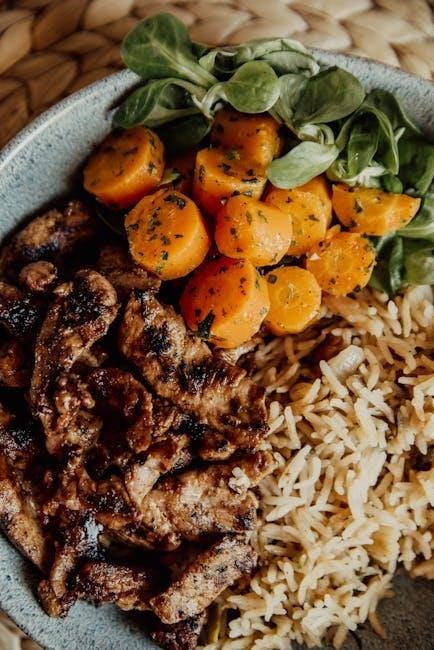
Cooking Methods
Smithfield Marinated Pork Tenderloin excels with various techniques! Explore oven roasting for ease, grilling for smoky notes, or pan-searing for a quick, flavorful dinner.
Oven Roasting: A Classic Approach
Oven roasting is a remarkably simple and effective method for cooking Smithfield Marinated Pork Tenderloin, yielding a juicy and flavorful result. This technique allows for even cooking and requires minimal hands-on attention, making it ideal for busy weeknights. Begin by preheating your oven to a consistent temperature – crucial for optimal results.
For best results, place the tenderloin on a roasting rack set within a baking pan. This elevates the pork, allowing hot air to circulate evenly around it. Consider adding root vegetables like carrots and potatoes to the pan for a complete one-pan meal. The marinade’s sugars will caramelize during roasting, creating a delicious glaze.
Optimal Oven Temperature
For Smithfield Marinated Pork Tenderloin, an oven temperature of 375°F (190°C) is generally considered optimal. This temperature strikes a balance between cooking the pork through thoroughly and preventing it from drying out. Higher temperatures can lead to a tough, less juicy final product, while lower temperatures may extend the cooking time unnecessarily.
Maintaining a consistent oven temperature is vital for even cooking. An oven thermometer is a useful tool to ensure accuracy. Preheating the oven fully before placing the tenderloin inside is also essential. This ensures the pork begins cooking immediately at the correct temperature, promoting even browning and a tender interior.
Roasting Time Guidelines
Smithfield Marinated Pork Tenderloin typically requires approximately 20-25 minutes per pound when oven-roasted at 375°F (190°C). However, this is a guideline, and actual cooking time can vary based on the tenderloin’s thickness and your oven’s calibration. It’s crucial to rely on an internal temperature reading rather than solely on time.
Begin checking the internal temperature around the 20-minute mark. For a perfectly cooked tenderloin, aim for an internal temperature of 145°F (63°C), as recommended by food safety guidelines. Remember to let the pork rest for 5-10 minutes after removing it from the oven, allowing the juices to redistribute for a more tender and flavorful result.
Grilling for Smoky Flavor
Smithfield Marinated Pork Tenderloin excels on the grill, absorbing smoky flavors beautifully. Prepare your grill for medium-high heat, ensuring the grates are clean and lightly oiled to prevent sticking. Direct heat is ideal for searing the exterior, creating a flavorful crust while keeping the inside juicy.
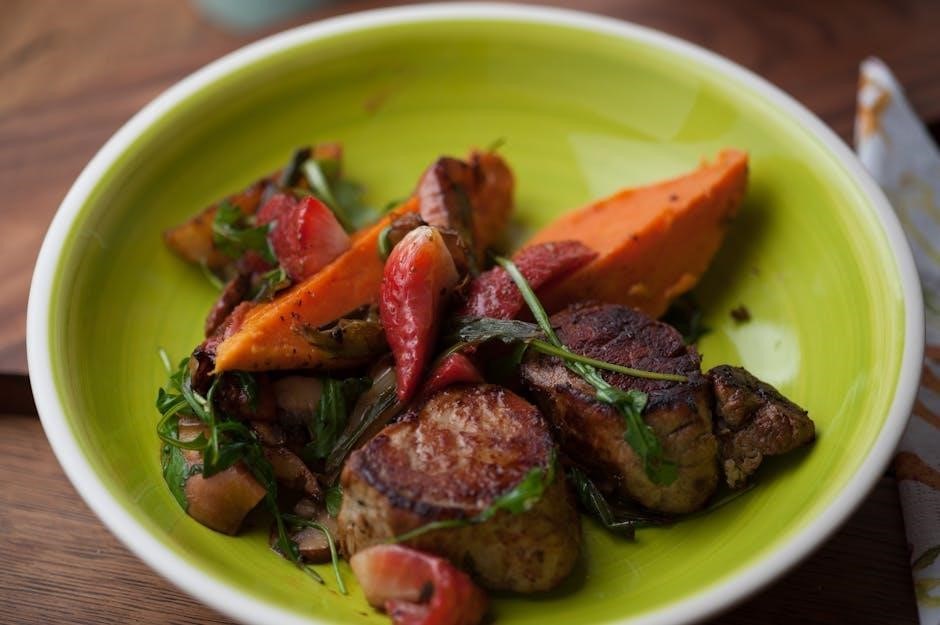
Grilling imparts a distinct taste that complements the marinade. Position the tenderloin perpendicular to the grill grates for attractive grill marks. Frequent turning – every 5-7 minutes – promotes even cooking and prevents burning. Remember, achieving a safe internal temperature of 145°F (63°C) is paramount for a delicious and safe meal. Grilling typically takes 15-20 minutes, depending on thickness.
Grill Temperature Control
Maintaining consistent grill temperature is crucial for perfectly cooked Smithfield Marinated Pork Tenderloin. Aim for medium-high heat, approximately 375-450°F (190-232°C). Utilize a grill thermometer to monitor the internal temperature accurately. For charcoal grills, arrange coals to create zones – a direct heat area for searing and an indirect heat area for finishing.
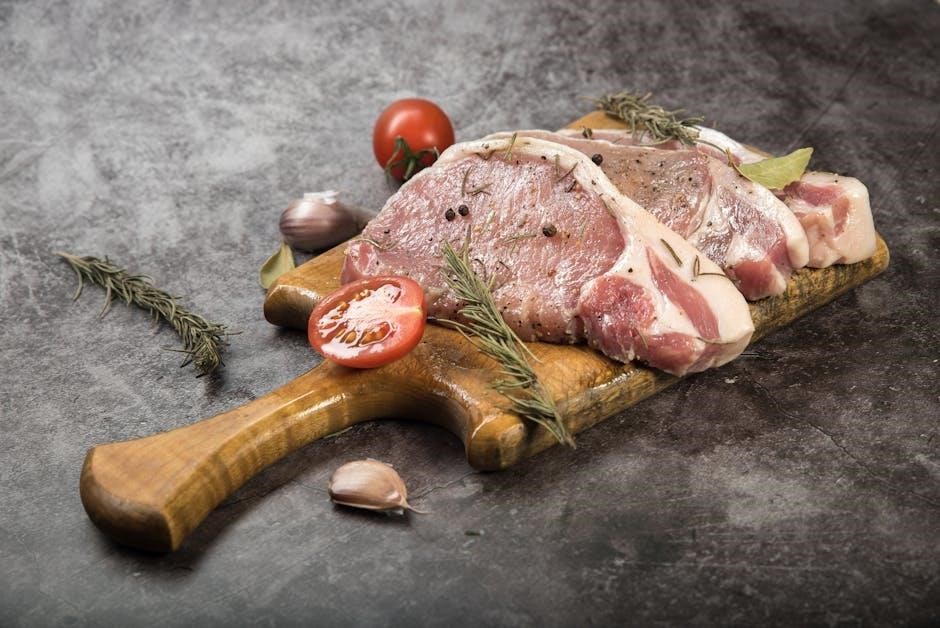
Gas grills offer precise temperature control with adjustable burners. If the grill flares up excessively, move the tenderloin to a cooler zone or reduce the burner settings. Avoid constantly lifting the lid, as this releases heat and prolongs cooking time. Consistent temperature ensures even cooking and prevents the exterior from burning before the interior reaches a safe 145°F (63°C).
Grilling Time and Techniques
Grilling Smithfield Marinated Pork Tenderloin typically takes 12-18 minutes, depending on thickness and grill temperature. Begin by searing the tenderloin over direct heat for 2-3 minutes per side to develop a flavorful crust. Then, move it to indirect heat to finish cooking.
Rotate the tenderloin every few minutes to ensure even browning. Avoid piercing the meat excessively with a fork, as this releases juices. Basting with leftover marinade during the last few minutes adds extra flavor and moisture, but avoid doing so too early due to sugar content potentially causing burning. Use a meat thermometer to verify an internal temperature of 145°F (63°C) for safe and juicy results.
Pan-Searing for Quick Cooking
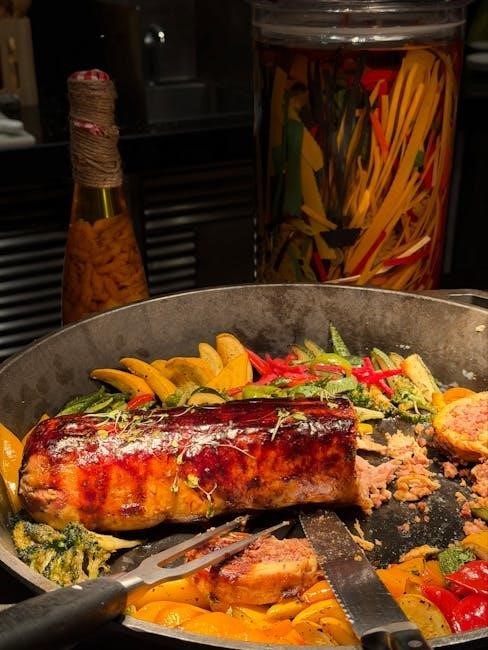
Pan-searing Smithfield Marinated Pork Tenderloin is an excellent method for a fast and flavorful meal. It’s ideal when time is limited, delivering a beautifully browned exterior and tender interior in under 30 minutes.
Begin by ensuring the tenderloin is patted dry. Heat 1-2 tablespoons of oil in a heavy-bottomed skillet (cast iron is ideal) over medium-high heat. Sear the tenderloin for 3-4 minutes per side, until a rich, golden-brown crust forms. Reduce heat to medium, and continue cooking for another 6-8 minutes, rotating occasionally, until the internal temperature reaches 145°F (63°C). Remember to use a meat thermometer for accuracy!
Choosing the Right Pan
Selecting the appropriate pan is crucial for successful pan-searing of Smithfield Marinated Pork Tenderloin. A heavy-bottomed skillet ensures even heat distribution, preventing hot spots that can lead to uneven cooking and burning. Cast iron skillets are highly recommended due to their exceptional heat retention and ability to achieve a superior sear.
Stainless steel pans also work well, but may require slightly more oil to prevent sticking. Avoid using non-stick pans, as they don’t achieve the same level of browning and can’t withstand the high heat needed for a proper sear. The pan should be large enough to comfortably accommodate the tenderloin without overcrowding, allowing for optimal browning on all sides.
Searing Time and Heat Levels
To achieve a beautiful sear on Smithfield Marinated Pork Tenderloin, begin with medium-high heat. Ensure the pan is thoroughly heated before adding the tenderloin; a drop of water should sizzle immediately. Sear for approximately 2-3 minutes per side, aiming for a rich, golden-brown crust.
Avoid moving the tenderloin around during searing – allow it to develop a good crust before flipping. Reducing the heat to medium after searing helps cook the pork through without burning the exterior. Total searing time will depend on the thickness of the tenderloin and desired level of doneness. Consistent monitoring and adjusting heat levels are key to perfect results.
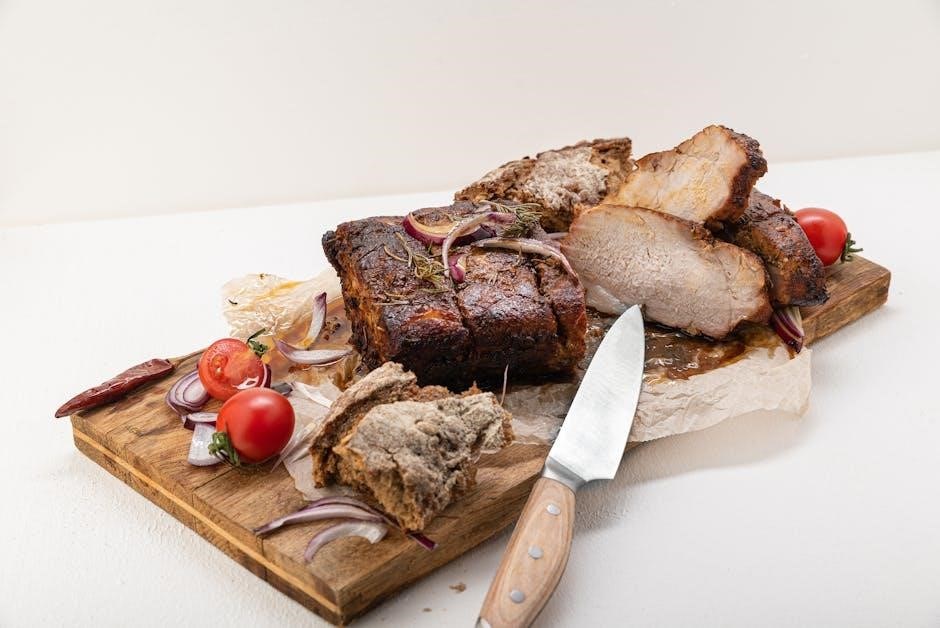
Ensuring Pork Safety
Smithfield pork safety relies on reaching an internal temperature of 145°F (63°C). Utilize a meat thermometer, and allow the pork to rest post-cooking.
Internal Temperature Guidelines
Ensuring your Smithfield Marinated Pork Tenderloin reaches a safe internal temperature is paramount for a delicious and healthy meal. The USDA recommends cooking pork to an internal temperature of 145°F (63°C), followed by a three-minute rest time. This temperature guarantees the elimination of harmful bacteria, providing peace of mind.
It’s crucial to measure the temperature in the thickest part of the tenderloin, avoiding any bone or fat. Remember that carryover cooking will continue to raise the temperature slightly during the resting period. Under-cooking can pose health risks, while overcooking can result in a dry, less flavorful product. Consistent monitoring with a reliable meat thermometer is the key to perfectly cooked, safe, and enjoyable pork.
Using a Meat Thermometer
A reliable meat thermometer is your best ally in achieving perfectly cooked Smithfield Marinated Pork Tenderloin. Insert the thermometer into the thickest part of the tenderloin, ensuring it doesn’t touch bone or fat, as this can provide inaccurate readings. Digital thermometers offer quick and precise results, while instant-read models are convenient for frequent checks during cooking.
For optimal accuracy, calibrate your thermometer regularly. Begin checking the temperature towards the end of the estimated cooking time. Aim for an internal temperature of 145°F (63°C). Remember to account for carryover cooking; the temperature will rise slightly as the pork rests. Consistent monitoring guarantees a safe, juicy, and flavorful outcome every time.
Resting the Pork After Cooking
Allowing your Smithfield Marinated Pork Tenderloin to rest after cooking is crucial for achieving maximum tenderness and juiciness. Once removed from the heat source, transfer the tenderloin to a clean cutting board and tent it loosely with aluminum foil. This prevents excessive heat loss while allowing the juices to redistribute throughout the meat.
A resting period of at least 10-15 minutes is recommended. During this time, the muscle fibers relax, and the internal temperature equalizes. Cutting into the pork immediately will result in a loss of valuable juices, leading to a drier final product. Patience is key – a well-rested tenderloin will be significantly more flavorful and enjoyable.
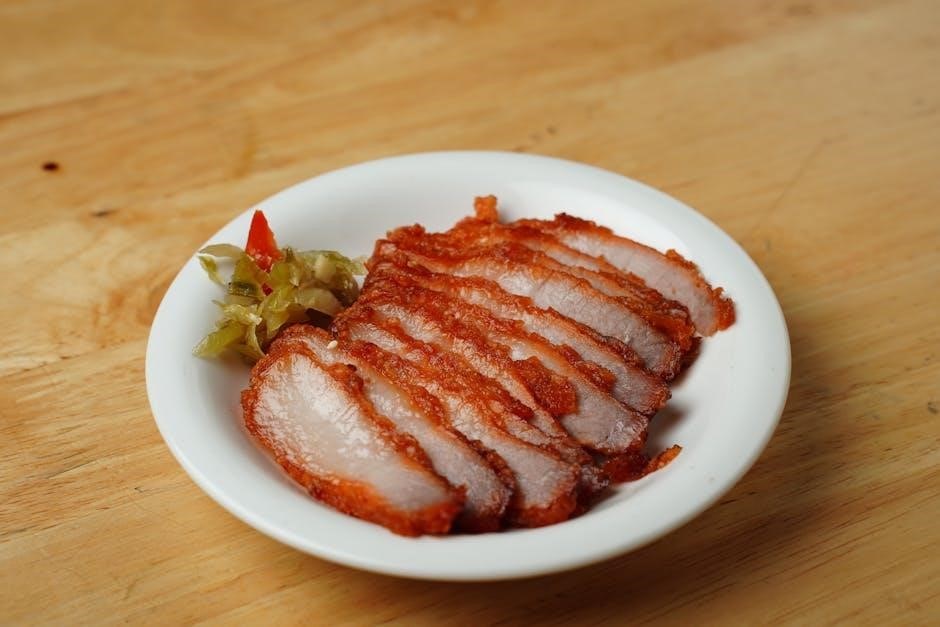
Serving Suggestions
Smithfield marinated pork tenderloin pairs wonderfully with roasted vegetables, rice pilaf, or a fresh salad. Complement with fruit-based sauces for a delightful meal!
Complementary Side Dishes
Smithfield Marinated Pork Tenderloin’s savory profile shines when paired with a variety of side dishes. Roasted root vegetables like carrots, parsnips, and sweet potatoes offer a delightful sweetness that balances the pork’s richness. For a lighter option, consider a vibrant green salad with a citrus vinaigrette. Rice pilaf, quinoa, or couscous provide a fluffy, neutral base to soak up the flavorful juices.
Creamy mashed potatoes or scalloped potatoes are classic comfort food pairings. Grilled asparagus or sautéed green beans add a fresh, crisp element. Don’t overlook the potential of fruit-based sides, such as applesauce or a pineapple salsa, to create a sweet and savory contrast. Ultimately, the best side dish complements your personal preferences and the overall meal composition.
Sauce Pairings
Smithfield Marinated Pork Tenderloin benefits from sauces that enhance, not overpower, its existing flavors. A simple pan sauce made with the drippings from cooking, deglazed with wine or broth, is a classic choice. Fruit-based sauces, like apple chutney or cherry compote, provide a sweet and tangy counterpoint to the savory pork.
For those who enjoy a bit of spice, a Dijon mustard sauce or a horseradish cream sauce adds a pleasant kick. A balsamic glaze offers a sophisticated sweetness and acidity. Creamy sauces, such as a mushroom cream sauce or a peppercorn sauce, create a rich and decadent experience. Consider a yogurt-based sauce with herbs for a lighter, refreshing option.
Presentation Ideas
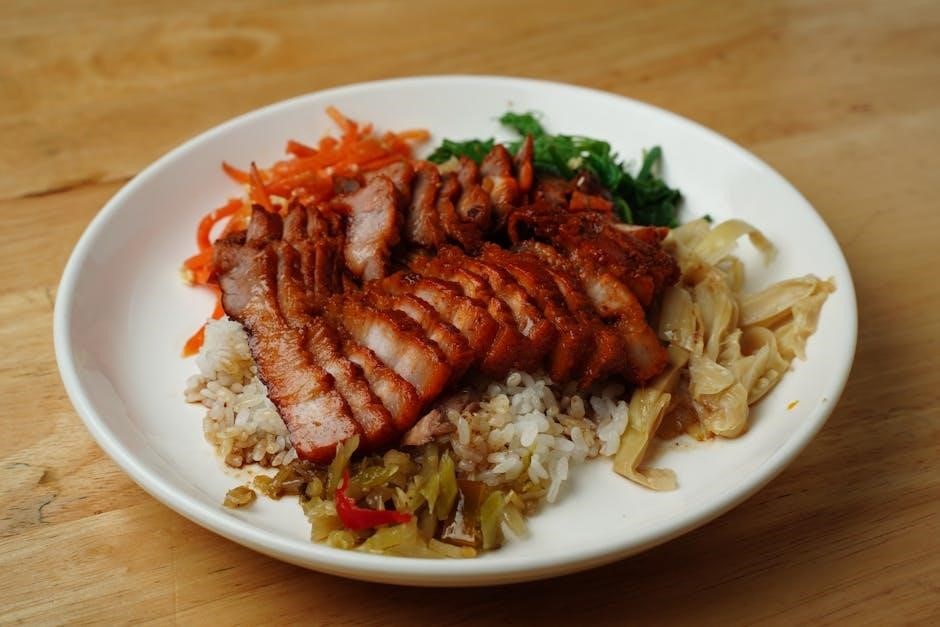
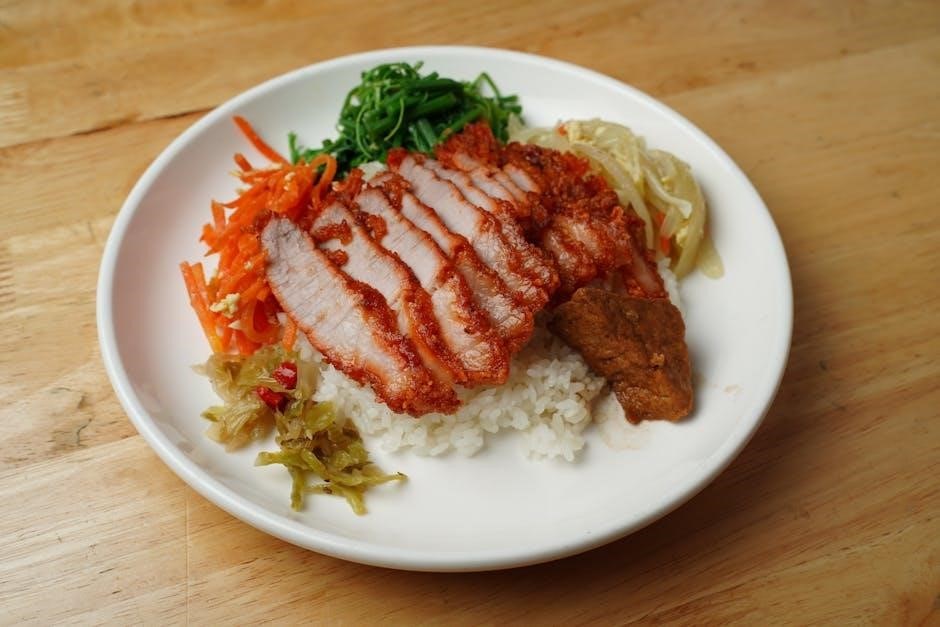
Smithfield Marinated Pork Tenderloin deserves an appealing presentation! Slicing the tenderloin against the grain creates more tender, visually appealing portions. Arrange the slices artfully on a platter, fanning them out or layering them slightly. Garnish with fresh herbs like rosemary or thyme for a pop of color and aroma.
A drizzle of the accompanying sauce adds a finishing touch. Consider adding a side of vibrant roasted vegetables, arranged around the pork, to enhance the visual appeal. A sprinkle of toasted nuts or seeds provides texture and visual interest. For a more elegant presentation, use individual plates and create a small, composed salad alongside the pork.
Troubleshooting Common Issues
Smithfield pork can sometimes be dry, undercooked, or lack marinade flavor. Adjust cooking times, temperatures, and marinade exposure to resolve these common problems.
Pork is Too Dry
If your Smithfield marinated pork tenderloin turns out dry, several factors could be at play. Overcooking is the most frequent culprit; always use a meat thermometer to ensure it reaches the safe internal temperature, but doesn’t exceed it. Consider reducing roasting or grilling time in future attempts.
Another possibility is insufficient fat content in the tenderloin itself. Brining the pork for 30-60 minutes before cooking can help retain moisture. Ensure the oven temperature isn’t too high, as this can quickly dry out the meat. Finally, remember to let the pork rest for at least 10 minutes after cooking, allowing the juices to redistribute throughout the tenderloin, resulting in a more succulent and flavorful final product.
Pork is Undercooked
Discovering your Smithfield marinated pork tenderloin is undercooked is a food safety concern. Immediately return the pork to the cooking source – oven, grill, or pan – and continue cooking, checking the internal temperature frequently with a reliable meat thermometer. The USDA recommends a minimum internal temperature of 145°F (63°C) with a three-minute rest time.
Ensure the thermometer isn’t touching bone, as this can give a false reading. If the exterior is browning too quickly while the interior remains undercooked, reduce the heat and consider tenting the pork with foil. Never consume undercooked pork, as it may harbor harmful bacteria. Prioritize safety and thorough cooking for a delicious and worry-free meal.
Marinade Flavor is Weak
If your Smithfield marinated pork tenderloin lacks the expected robust flavor, several factors could be at play. While pre-marinated, the marinade’s impact can be subtle; Consider enhancing the flavor by basting the pork with additional marinade during the final stages of cooking, ensuring it doesn’t burn.
Alternatively, create a complementary sauce to serve alongside the pork, such as a honey-mustard glaze or a fruity chutney. Don’t discard the marinade entirely; reduce it in a saucepan to create a concentrated sauce. Remember, the marinade primarily tenderizes, so flavor boosting may be necessary for a more pronounced taste experience.